Why Are High-Performance Outer Wall Tiles Reshaping Building Exteriors?
Outer wall tiles are engineered exterior–grade ceramic or porcelain tiles designed to protect building surfaces from harsh weather, structural fatigue, and long-term discoloration. Their popularity continues to rise as architects, contractors, and property owners seek materials that combine durability, thermal stability, aesthetic flexibility, and low maintenance.
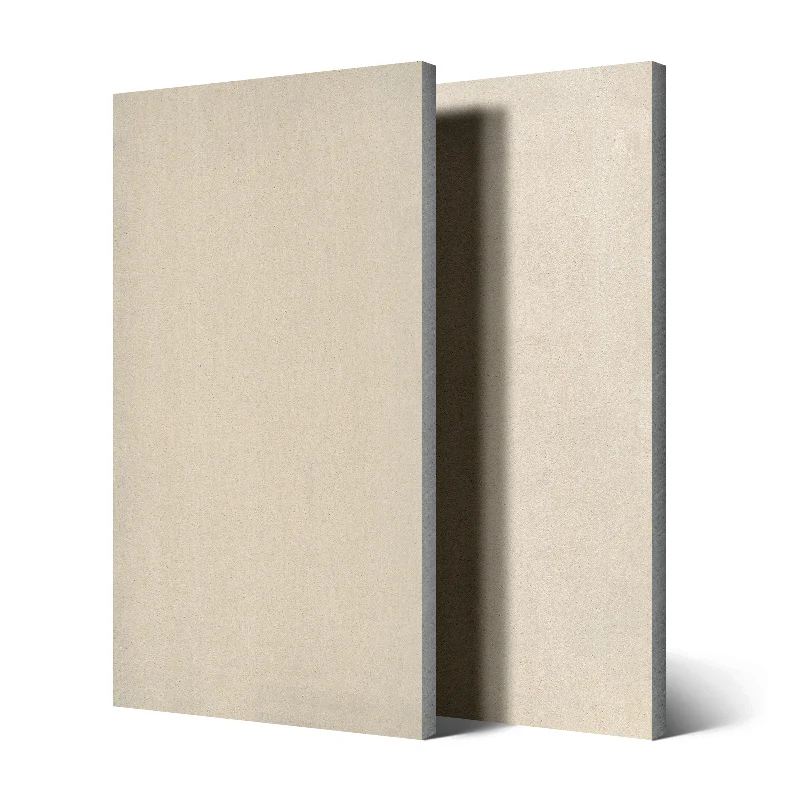
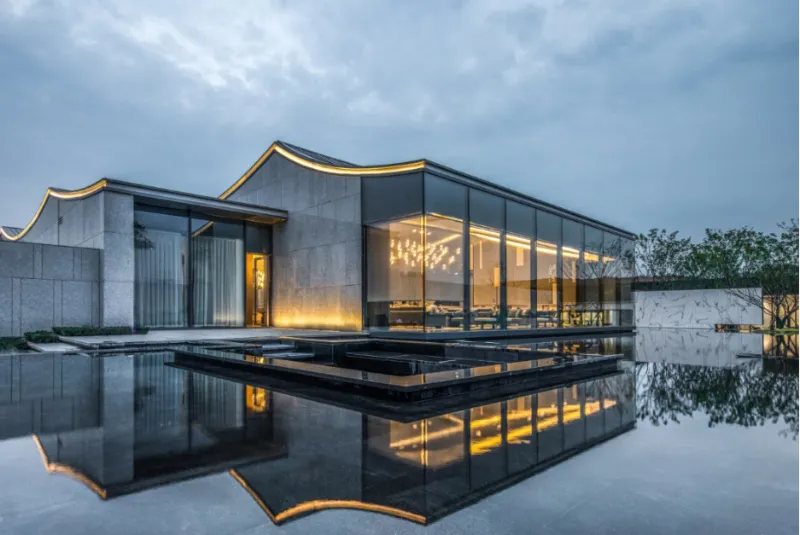
At the center of this discussion is a shift happening across global architecture. More buildings are adopting ceramic-based exterior cladding to replace traditional paint, render, and stone veneers. The reason is clear: advanced outer wall tiles deliver enhanced weather resistance, longer service life, and visual versatility at a competitive cost. As environmental pressures increase and building codes evolve, project owners increasingly prioritize materials that maximize protection, reduce operational costs, and offer stable long-term value.
Key Technical Parameters of Outer Wall Tiles
The following table outlines standard and advanced specifications found in premium-grade outer wall tiles used for residential, commercial, and industrial facades:
| Parameter | Specification Range | Description |
|---|---|---|
| Water Absorption | ≤ 0.5% (porcelain), 1–3% (ceramic) | Ensures low porosity and long-term weather resistance |
| Bending Strength | ≥ 35–45 MPa | Supports stable installation and impact resistance |
| Surface Hardness | Grade 7–9 (Mohs scale) | Prevents abrasion and surface scratching |
| Frost Resistance | 100+ freeze–thaw cycles | Protects against cracking in cold climates |
| Thermal Expansion | 5–9 × 10⁻⁶/°C | Maintains dimensional stability under temperature fluctuations |
| Chemical Resistance | Class A | Withstands acid rain, pollutants, and cleaning chemicals |
| Thickness | 8–12 mm standard, 12–20 mm reinforced | Improves rigidity and wind-load performance |
| UV Resistance | 10–15 years fade protection | Ensures consistent exterior color longevity |
These parameters underline why outer wall tiles have become a serious architectural material for high-demand environments. Performance metrics such as water absorption rate and bending strength directly influence installation quality, structural safety, and long-term maintenance.
Why Do Outer Wall Tiles Deliver Superior Protection and Cost Efficiency?
The increasing adoption of outer wall tiles is driven by clear performance advantages. They provide multi-layer protection against weather, temperature, impact, and pollution. Compared with paint or render, tiles offer exponentially longer lifespan and require minimal upkeep, making them a preferred option for large-scale developments and long-term property investment.
Why Outer Wall Tiles Outperform Conventional Exterior Materials
Weather Resistance
Outer wall tiles are engineered to resist prolonged exposure to UV radiation, heavy rain, salt corrosion, and extreme temperatures. Unlike coatings that peel or fade, tiles retain their color and structural integrity for years, reducing maintenance costs and preventing surface deterioration.
Thermal Stability
Tiles exhibit minimal thermal expansion and excellent heat resistance. This helps regulate exterior surface temperature, reducing heat transfer into building interiors and improving energy efficiency. Thermal stability also minimizes cracking and detachment, ensuring long-lasting façade performance.
Waterproof and Anti-Pollution Benefits
Low porosity prevents water penetration, mold growth, and efflorescence, making tiles ideal for humid regions. Their dense surface structure also prevents pollutants, dust, and industrial particles from bonding strongly, enabling easy cleaning and preserving aesthetic value.
Fireproof Performance
Ceramic and porcelain tiles are naturally non-combustible. They do not release toxic gases when exposed to high heat, enhancing building safety in both residential and commercial applications.
Design Versatility
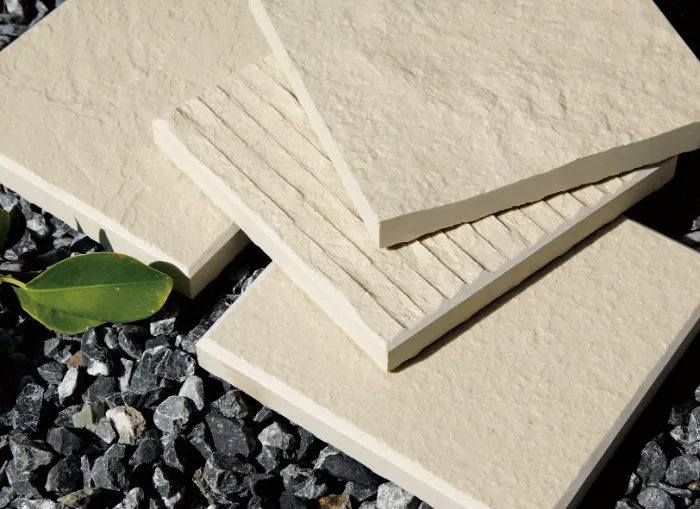
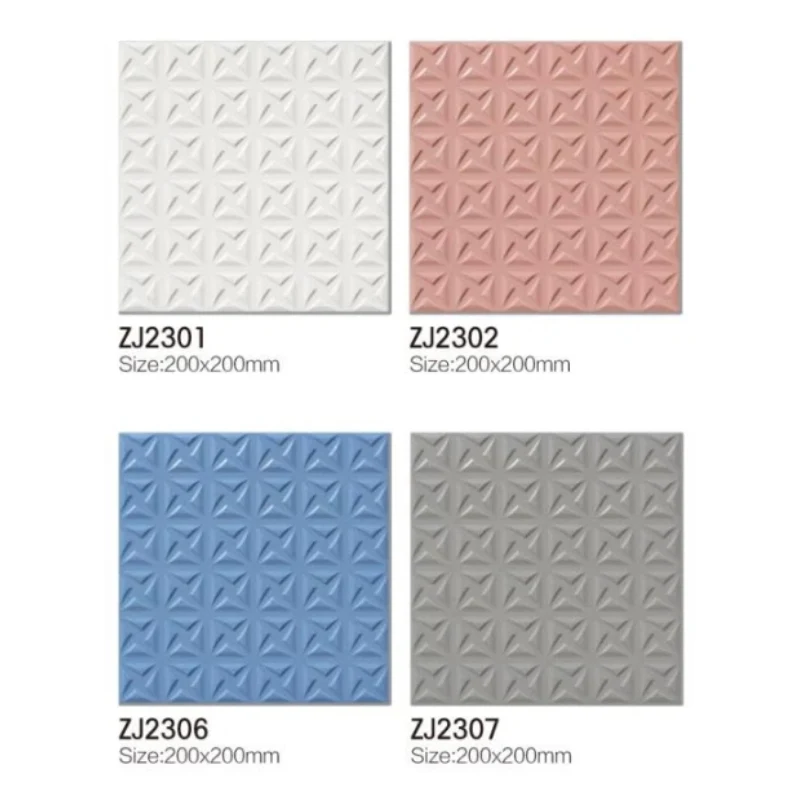
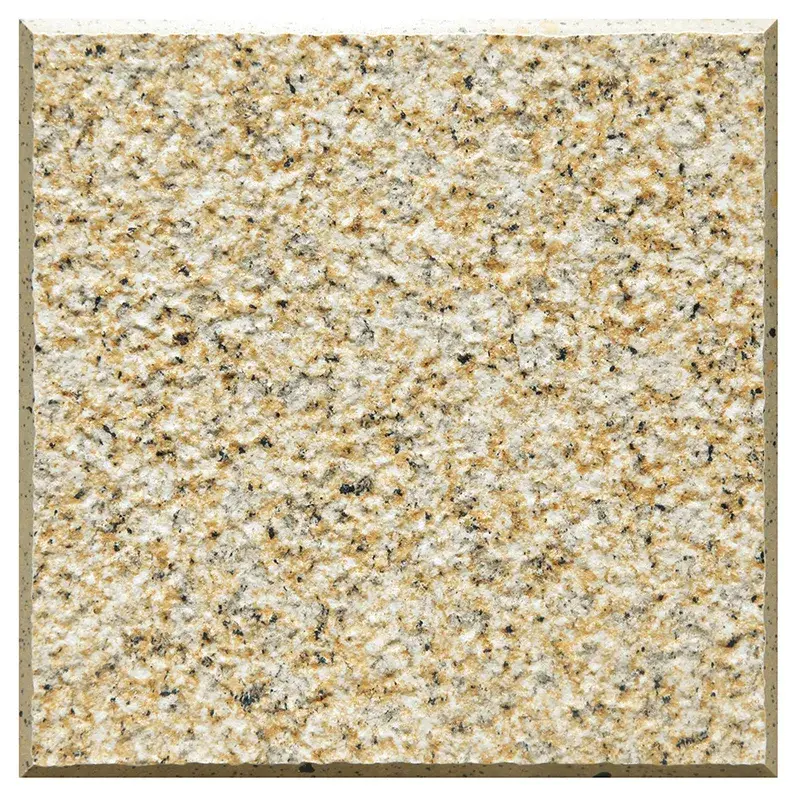
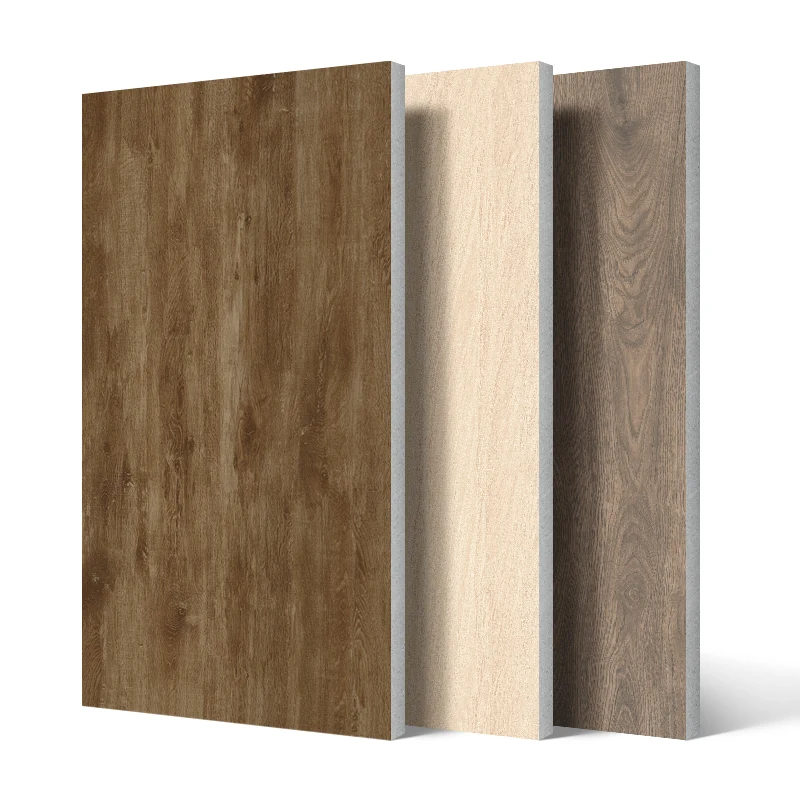
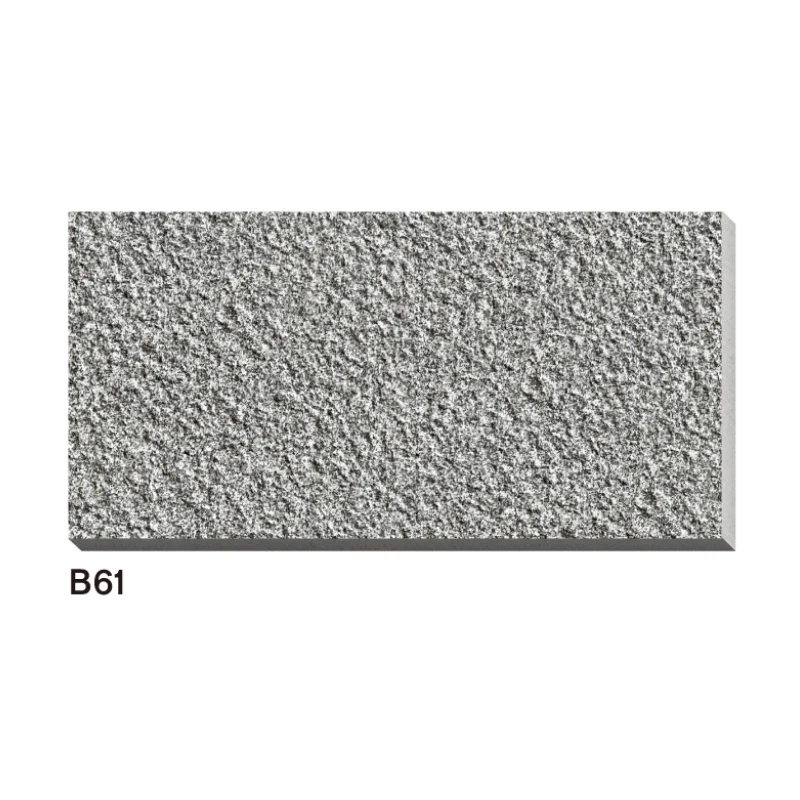
Outer wall tiles offer a wide range of textures, including stone, wood, concrete, brick, and metallic finishes. This versatility enables architects to achieve sophisticated façade concepts without compromising durability.
How Cost Efficiency Is Achieved
Although the initial cost of tiles may exceed simple paint finishes, long-term financial benefits are substantial:
-
Extended service life of 20–30 years
-
Low maintenance requirement
-
Reduced repainting or resurfacing expenses
-
Greater insulation performance reduces energy consumption
-
Higher property value due to aesthetic stability
This long-term return on investment is one of the strongest reasons behind the global shift toward tiled exteriors.
How to Choose Outer Wall Tiles Based on Climate, Building Type, and Performance Needs?
Selecting the correct outer wall tile is essential for achieving both structural stability and aesthetic appeal. Different environments, building sizes, and façade designs require specific tile characteristics. Understanding how to evaluate tile performance helps owners avoid detachment, cracking, color fading, and unnecessary maintenance costs.
How Climate Influences Tile Selection
Cold Regions
-
Choose tiles with frost resistance over 100 cycles
-
Ensure water absorption ≤ 0.5%
-
Prioritize porcelain with higher density to prevent cracking
Tropical or Humid Regions
-
Water absorption of 0.5–3% is acceptable
-
Anti-slip and mildew-resistant finishes recommended
-
Glazed tiles preferred for stain resistance
High-Temperature Regions
-
Select high thermal stability tiles
-
Avoid dark colors if concerned about heat absorption
-
UV-resistant glazes recommended
How Building Type Affects Tile Choice
Residential Projects
-
Smaller sizes such as 200×400 mm, 300×600 mm for easier alignment
-
Soft, warm tones for aesthetic continuity
Commercial Buildings
-
Large slabs (600×1200 mm or above) for modern, seamless façades
-
High strength and low-maintenance finishes
Industrial Zones
-
Maximum chemical resistance
-
Anti-pollution surfaces suitable for areas with dust and emissions
Installation Considerations
-
Use exterior-grade adhesives and grouts
-
Follow wind-load calculation guidelines
-
Maintain proper joint spacing for thermal expansion
-
Ensure mechanical fixing for high-rise buildings
Professional installation is essential, as improper application can compromise even the highest-quality tiles.
What Are the Future Trends of Outer Wall Tiles and How Will the Industry Evolve?
The outer wall tile industry is undergoing a significant transformation fueled by advancing materials technology, environmental pressures, and global design trends. Multiple innovations are shaping the future of exterior cladding.
Trend 1: Large-Format and Ultra-Thin Slabs
Buildings are increasingly adopting large tiles such as 900×1800 mm or 1200×2400 mm. These offer a seamless finish, reduce joint visibility, and mimic natural stone with high accuracy. Ultra-thin versions (3–6 mm) reduce structure load while maintaining strength.
Trend 2: Self-Cleaning Surfaces
New glazing technologies produce hydrophilic or photocatalytic surfaces that break down pollutants and dust. When exposed to rain or sunlight, dirt naturally decomposes or slides off, creating nearly maintenance-free façades.
Trend 3: Energy-Efficient Tiles
Reflective glazes and thermal-insulation backings help stabilize building temperature. These innovations align with global sustainability frameworks and stricter green-building standards.
Trend 4: Smart Surface Technology
Integrated coatings may soon enable tiles to reflect heat selectively, detect environmental changes, or integrate with energy-harvesting films.
Trend 5: Sustainable and Recyclable Materials
Tile manufacturers are developing eco-friendly clay blends, reduced-firing kilns, and recyclable ceramic aggregates to support carbon-reduction goals.
As global architecture moves toward sustainable and performance-driven design, outer wall tiles will evolve into smarter, stronger, and more adaptable façade materials.
Common Questions About Outer Wall Tiles
Q1: How long can outer wall tiles last once installed?
A properly installed outer wall tile system in a typical climate can last 20–30 years or more. Factors influencing lifespan include tile density, water absorption rate, adhesive quality, building movement, and environmental exposure. High-grade porcelain tiles with low porosity and strong bending resistance tend to outperform traditional exterior coatings by a wide margin. When tiles are paired with professional installation and regular inspections, long-term durability is significantly enhanced, reducing renovation frequency and maintenance expenses.
Q2: Are outer wall tiles suitable for high-rise buildings?
Yes. Outer wall tiles are widely used on high-rise façades due to their excellent wind-load resistance, low weight-to-strength ratio, and fireproof properties. Mechanical anchoring systems ensure secure attachment even under strong wind pressure. The tiles’ non-combustible nature also complies with international fire-safety standards for multi-story buildings. When selecting tiles for high-rise applications, builders should prioritize porcelain variants with reinforced thickness and ensure that anchoring and adhesive systems meet engineering requirements.
Conclusion and Contact Information
Outer wall tiles represent a powerful combination of durability, visual sophistication, weather resistance, and long-term cost efficiency. As construction markets increasingly favor sustainable and high-performance materials, these tiles continue to shape the evolution of modern architectural design. From residential communities to commercial towers, they offer customizable solutions that elevate building aesthetics while delivering long-lasting structural protection. The industry’s future will be driven by innovation in surface technology, eco-friendly production, and intelligent façade systems.
For product lines that integrate strength, aesthetics, and advanced engineering, the Beata continues to develop reliable outer wall tile solutions for global markets. For professional consultation, specification support, or project inquiries, please contact us to explore exterior tiles designed for long-term performance and architectural excellence.
Related News
- What Makes Full-Body Facade Porcelain Tiles Ideal For Modern Building Exterior Projects?
- How Can Bespoke Tile Fabrication Support Complex Large‑Scale Outdoor Construction Projects?
- How To Specify Eco Pacing Stone For Humid‑Rainy Coastal African Large‑Scale Real‑Estate Projects?
- Why is Sesame-Grey Eco-Paving Stone Widely Adopted For Diverse Outdoor Paving Projects?
- What Makes Travertine-Look Porcelain Tiles Ideal For Large-Scale Commercial Plaza Projects?
- Mass Production Launched for 600*1200*12mm Full-Body Outdoor Tiles
Leave me a message
News Recommendations