How Do Plaza Tiles Enhance Durability, Style, and Long-Term Value in Modern Spaces?
Plaza Tiles have become a primary material in residential and commercial design due to their structural reliability, versatile aesthetics, and suitability for heavy-traffic environments. Their engineered density, refined surface treatments, and consistent sizing standards allow designers, builders, and homeowners to integrate them into flooring, walls, facades, patios, and high-moisture zones with confidence.
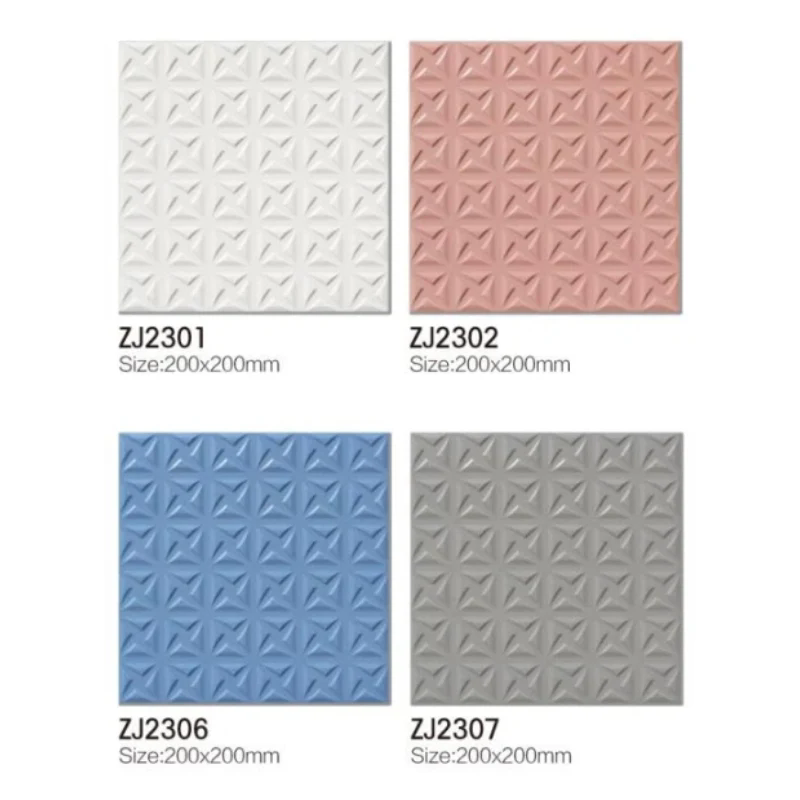
Product Overview
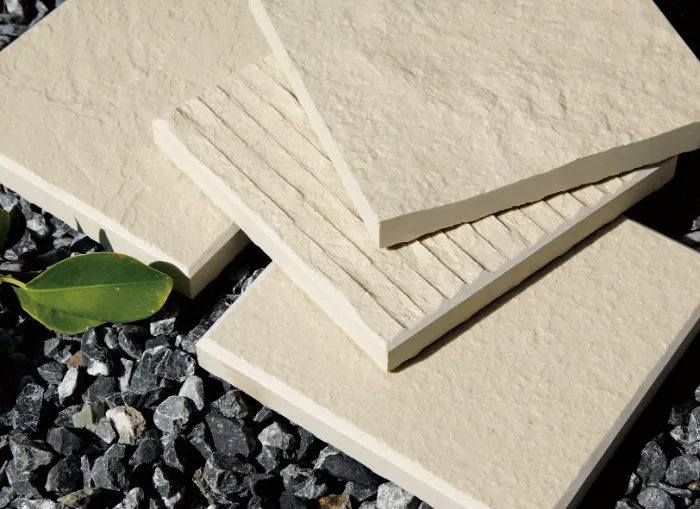
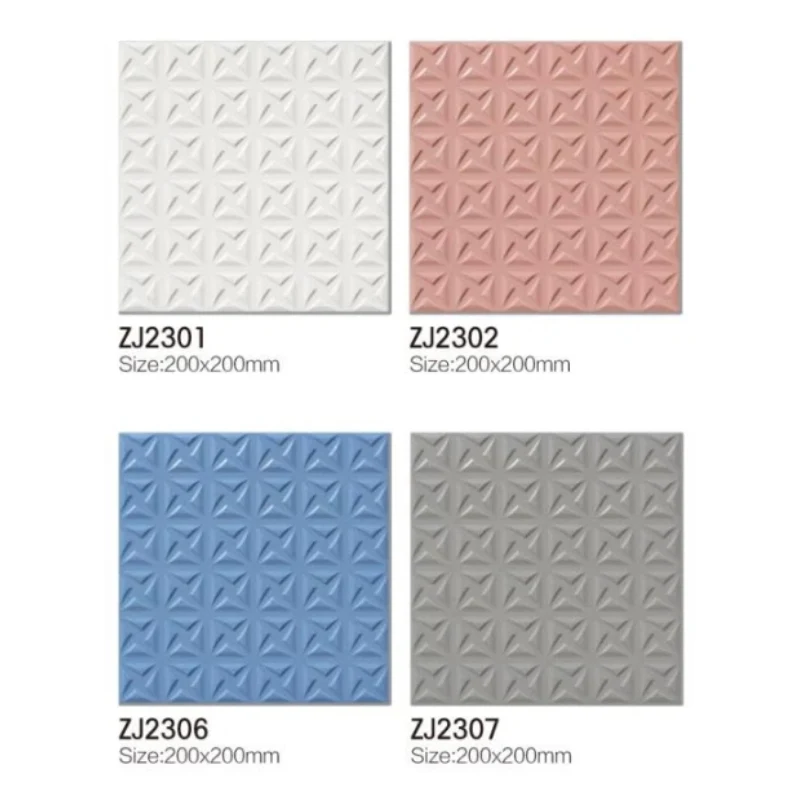
Plaza Tiles are engineered ceramic or porcelain tiles designed specifically for structural stability and high endurance. Their composition includes refined clays, minerals, and additives fired at controlled temperatures to achieve a low-porosity, high-strength body. The wide availability of finishes—matte, semi-polished, textured, anti-slip, glazed, or natural—makes them adaptable to both aesthetic and functional requirements.
Why the Industry Focuses on Plaza Tiles
Plaza Tiles attract attention in architecture-driven markets for several reasons:
-
They maintain dimensional accuracy even under thermal or moisture fluctuations.
-
Their surface abrasion tolerance is significantly higher than basic ceramic tiles.
-
Their water absorption rate is notably low, making them ideal for bathrooms, kitchens, commercial lobbies, and outdoor plazas.
-
Their maintenance requirements stay minimal even after years of use.
-
Their extended service life reduces lifecycle costs for building owners.
These strengths position Plaza Tiles at the intersection of functionality, design, and economic efficiency.
How Do Plaza Tiles Perform Across Different Technical Parameters?
A detailed examination of product specifications allows architects and contractors to evaluate tile suitability for a given project. Plaza Tiles typically follow industry standards such as ISO 10545 and EN 14411, ensuring consistent performance.
Technical Parameters of Plaza Tiles
| Parameter | Specification Range | Functional Meaning |
|---|---|---|
| Material Composition | Porcelain / High-density ceramic | Dense body suitable for high-traffic applications |
| Water Absorption Rate | ≤ 0.5% (Porcelain) | Prevents swelling, cracking, and moisture infiltration |
| PEI Abrasion Rating | PEI 3–5 | Ensures surface wear resistance for moderate to heavy foot traffic |
| Breaking Strength | ≥ 1300 N | Suitable for floors exposed to heavy dynamic loads |
| Slip Resistance | R9–R12 options | Matches indoor or outdoor safety requirements |
| Thickness | 8–12 mm typical | Supports structural stability and uniform installation |
| Thermal Shock Resistance | Compliant with ISO standards | Prevents damage from temperature fluctuations |
| Surface Options | Matte, textured, polished, semi-polished | Adapts to multiple design and functional needs |
| Size Variations | 300×300, 600×600, 600×1200, 750×1500 mm | Enables flexible layout planning |
| Chemical Resistance | High resistance to stains and acids | Ideal for kitchens, food facilities, laboratories |
How Technical Strength Benefits Real-World Applications
The performance-driven nature of Plaza Tiles leads to several benefits:
-
Long-term structural reliability, reducing maintenance demands.
-
Stable color retention, avoiding fading even under strong light exposure.
-
Enhanced hygiene, as low-porosity tiles resist mold growth.
-
Precision installation, thanks to controlled tolerance and rectified edges.
-
Broad application flexibility, ranging from minimalist indoor surfaces to rugged outdoor pathways.
These attributes explain why Plaza Tiles consistently outperform many alternative materials, including vinyl flooring, natural wood, and unrefined ceramics.
How Do Plaza Tiles Strengthen Design Quality, Functional Versatility, and Environmental Performance?
Plaza Tiles significantly influence the visual and functional quality of spaces. Architects often prefer them due to their ability to harmonize structural demands with appealing aesthetics.
How Plaza Tiles Elevate Design Value
-
Consistency of Pattern and Texture
Uniform manufacturing processes ensure each tile exhibits predictable color, veining, and surface quality. -
Compatibility with Design Trends
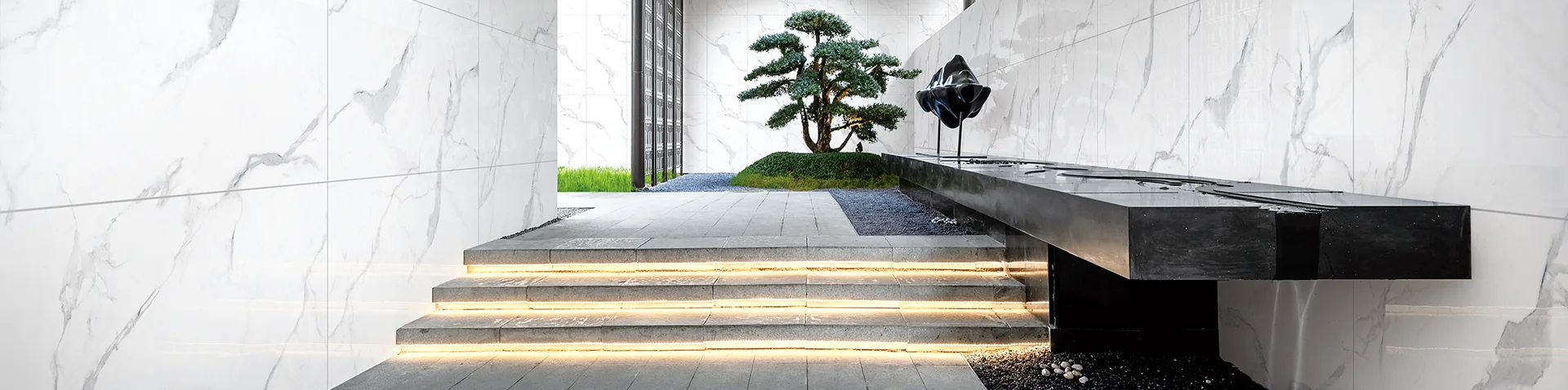
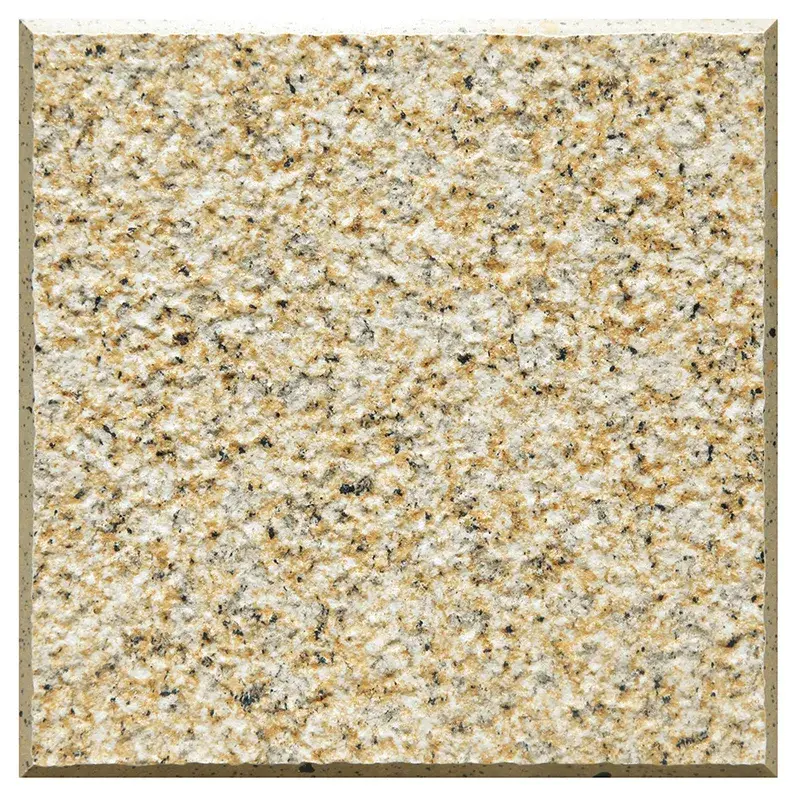
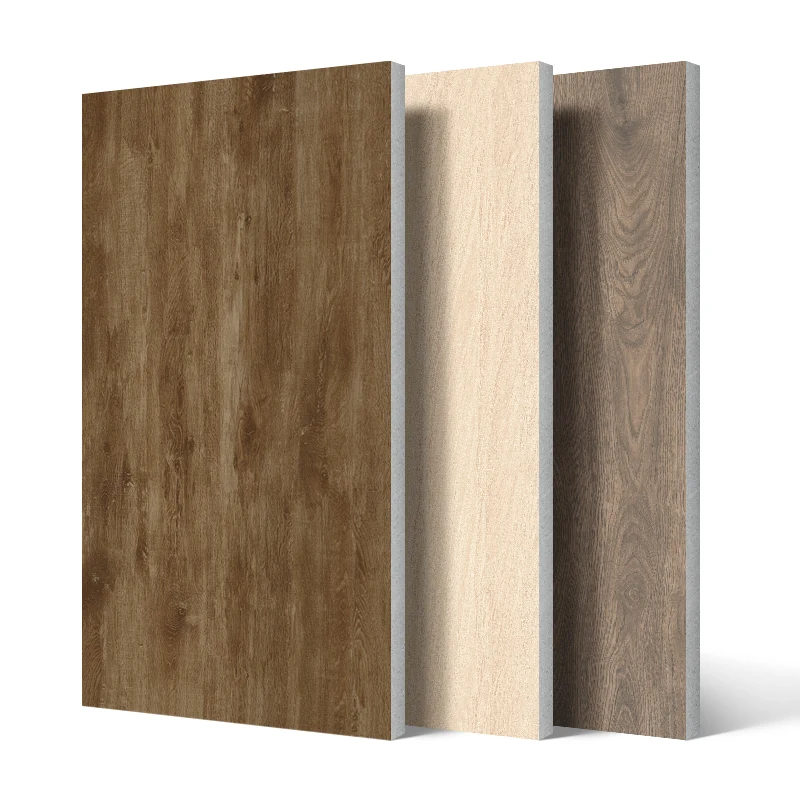
Plaza Tiles align well with popular interior themes such as stone-look, marble-look, concrete-look, wood-look, and minimalist texture designs. -
Edge Precision for Seamless Finishes
Rectified edges reduce grout line visibility, improving continuity in large commercial halls or minimalist residences. -
Color Stability Over Time
Firing processes ensure pigments remain stable even in sunlit environments.
How Plaza Tiles Expand Functional Options
Plaza Tiles perform strongly in nearly any setting:
-
Residential interiors (living rooms, kitchens, bathrooms)
-
Retail stores and commercial corridors
-
Restaurants, hotels, and hospitality environments
-
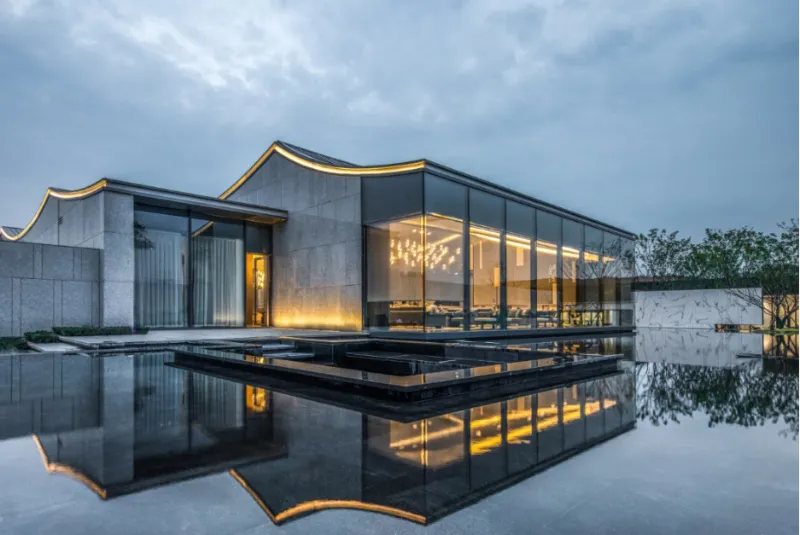
Outdoor patios, porches, balconies, and public plazas
-
Swimming pool areas and spa zones
-
Transit hubs such as airport walkways and subway platforms
Their scratch resistance, load-bearing strength, and low-slip options enable them to withstand intensive use without compromising appearance.
How Plaza Tiles Support Sustainability Trends
The current design industry prioritizes materials that reduce ecological impact. Plaza Tiles contribute in several ways:
-
Long product life, minimizing renovation waste.
-
Safe composition, free from toxic emissions.
-
Energy-efficient production processes, applied in many modern factories.
-
Recyclable material composition, reducing disposal impact.
-
Compatibility with radiant heating systems, improving energy efficiency in homes.
This combination of durability and eco-responsibility supports growing consumer demand for sustainable construction materials.
How Will Plaza Tiles Evolve with Future Architectural Needs?
Market trends indicate rising demand for tiles that enhance user experience, align with sustainability goals, and streamline installation. The next generation of Plaza Tiles is expected to focus on:
Advanced Aesthetic Technology
-
Ultra-high-definition inkjet printing for more realistic stone and wood textures
-
Large-format expansion to reduce grout lines
-
New surface finishes that capture natural mineral characteristics
Performance Enhancements
-
Improved surface hardness for extreme commercial environments
-
Enhanced anti-slip coatings suitable for wet zones
-
Higher thermal stability for outdoor climates
Installation Innovations
-
Lightweight tile versions for high-rise applications
-
Interlocking structures for faster installation
-
Pre-finished edges for simplified cutting procedures
These advancements will allow Plaza Tiles to serve broader architectural needs across industrial, residential, and commercial sectors.
Common Questions About Plaza Tiles
1. How should Plaza Tiles be maintained for long-term durability?
Regular cleaning with neutral pH solutions maintains surface integrity without damaging protective coatings. Abrasive cleaners are unnecessary due to the tile’s inherent stain and scratch resistance. Grout sealing in high-moisture areas helps preserve aesthetic consistency. With proper routine care, Plaza Tiles maintain their performance characteristics for decades.
2. What installation conditions ensure optimal performance of Plaza Tiles?
A stable, level substrate is essential. Professional installers typically apply thin-set mortar suited to porcelain or ceramic tile density. Adequate spacing must be maintained using tile spacers, and expansion joints are required for large installations or outdoor settings to accommodate thermal movement. Proper curing time ensures maximum adhesion and long-term stability.
How Do Plaza Tiles Align with Long-Term Construction Value?
Plaza Tiles deliver a balanced combination of strength, stability, and visual harmony that meets the evolving demands of modern architecture. Their technical consistency ensures dependable performance, while their design versatility supports a wide range of aesthetics—from minimalism to natural-inspired themes. As building standards shift toward sustainability, energy efficiency, and lifecycle durability, Plaza Tiles are positioned to remain a preferred choice for both small-scale and large-scale projects.
The continual innovation observed in the industry highlights a promising future for this material category. New textures, improved coatings, advanced digital printing, and installation-friendly enhancements further expand their applicability across diverse environments.
For projects seeking high-quality tile solutions, the brand Beata offers product lines that reflect these performance standards while supporting design-driven construction planning. For detailed specifications, project pricing, or professional consultation, feel free to contact us to explore tailored solutions that match your architectural vision.
Related News
- What Makes Full-Body Facade Porcelain Tiles Ideal For Modern Building Exterior Projects?
- How Can Bespoke Tile Fabrication Support Complex Large‑Scale Outdoor Construction Projects?
- How To Specify Eco Pacing Stone For Humid‑Rainy Coastal African Large‑Scale Real‑Estate Projects?
- Why is Sesame-Grey Eco-Paving Stone Widely Adopted For Diverse Outdoor Paving Projects?
- What Makes Travertine-Look Porcelain Tiles Ideal For Large-Scale Commercial Plaza Projects?
- Mass Production Launched for 600*1200*12mm Full-Body Outdoor Tiles
Leave me a message
News Recommendations