Which Outdoor Tiles Make Your Outdoor Space Safer and Easier to Maintain?
Article Summary
Outdoor floors look amazing on day one—and then reality shows up: rain, dust, sunscreen, BBQ grease, freeze-thaw cycles, moss, salty air, muddy shoes, pets, kids, and furniture dragging across the surface. The right Outdoor Tiles should do more than “look good.” They should reduce slipping, resist stains, handle temperature swings, stay comfortable to clean, and keep their color and texture over time.
In this guide, I’ll walk you through the biggest customer pain points (slippery surfaces, stubborn stains, cracking, uneven installation, and fast wear), then break down how to choose tile materials, finishes, thickness, drainage solutions, and grout so your patio, balcony, pool deck, garden path, or rooftop terrace stays reliable for years. You’ll also find a practical comparison table, step-by-step checklists, and a FAQ section to answer the questions people usually ask right before they buy.
Along the way, I’ll share what to ask your supplier—whether you’re shopping locally or considering options from a manufacturer like Beata Ceramics Co., Ltd.—so you can pick with confidence instead of guessing.
Contents
- Outline
- Common Problems Outdoor Floors Face
- How to Choose Outdoor Tiles Without Regret
- Quick Comparison Table
- Best Picks by Outdoor Area
- Installation Details That Decide the Outcome
- Cleaning and Maintenance That Actually Works
- What to Ask Before You Order
- FAQ
Outline
- Identify the real risks outdoors: water, grime, movement, and weather stress.
- Match tile material and finish to your climate and foot traffic.
- Confirm practical details: slip performance, stain resistance, thickness, and edge options.
- Use the comparison table to narrow down choices fast.
- Pick recommendations by space: patio, pool, balcony, steps, rooftop, and walkways.
- Avoid installation mistakes that cause hollow sounds, cracking, and “always dirty” grout.
- Maintain correctly with simple routines and the right cleaners.
- Ask the right questions to prevent delays, mismatches, and warranty headaches.
Common Problems Outdoor Floors Face
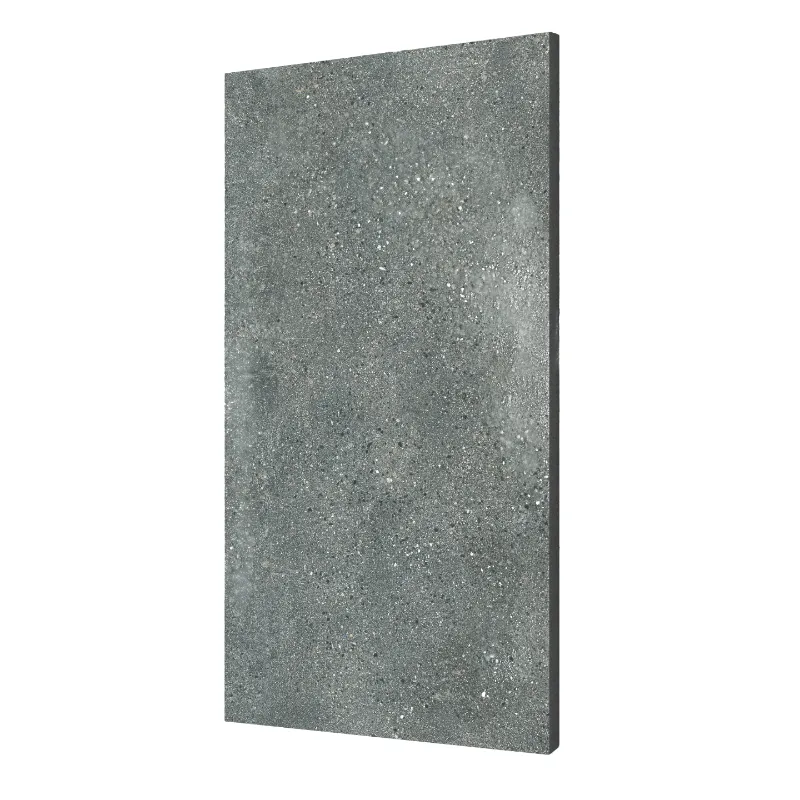
- Slips after rain: A surface can look textured but still get slick when water + dust form a thin film.
- Stains that won’t lift: BBQ oil, wine, rust from metal furniture, leaf tannins, and clay soil can discolor porous materials.
- Cracking and “popped” corners: Outdoor bases move—temperature changes, settling, freeze-thaw, and water trapped under tiles can cause stress.
- Uneven tiles and wobbling furniture: Bad leveling or insufficient drainage creates puddles and trip edges.
- Grout that turns dark: Some grouts absorb water and dirt; algae and mold love damp joints.
- Color fading: Some surfaces and low-quality coatings lose their look under UV exposure.
If you’ve dealt with any of these, the fix is rarely “buy prettier tiles.” The fix is choosing Outdoor Tiles engineered for outdoor stress, then installing them with the right base, slope, and joints.
How to Choose Outdoor Tiles Without Regret
1) Start with the material (because maintenance depends on it)
- Porcelain: Often the top choice outdoors because it’s dense, less absorbent, and more resistant to staining and weather shifts.
- Ceramic (standard indoor wall/floor types): Can work in mild conditions, but many indoor-grade ceramics aren’t meant for constant water exposure or extreme temperature swings.
- Natural stone: Beautiful, but can be more porous and may need sealing and more careful cleaning. Some stones can get slippery when polished or when algae forms.
- Concrete pavers: Practical for certain landscapes, but surface wear and staining vary widely by quality and finish.
2) Choose a finish that stays safe when wet
- Textured / matte finishes: Typically better for wet zones (pool decks, steps, rainy climates).
- Structured surfaces: Useful for steep areas and stairs where you want extra grip.
- Avoid overly glossy surfaces outdoors: They can become slippery and show water spots more easily.
3) Consider thickness and support (especially for rooftop or raised systems)
- Standard installations: Often rely on adhesive over a prepared concrete slab with correct slope and waterproofing where needed.
- Pedestal / raised installations: Common on rooftops and balconies to allow drainage and easy access to waterproofing layers. These systems typically use thicker, stronger tiles designed for structural support.
4) Think about your climate like an engineer
- Freeze-thaw regions: Prioritize low water absorption and correct drainage so trapped water doesn’t expand and crack the surface.
- Coastal areas: Choose surfaces that handle salt air and frequent rinsing without discoloration.
- Hot sun / intense UV: Look for color stability and avoid finishes that show every mineral deposit from evaporation.
- Wet and shaded gardens: Plan for algae and moss—texture helps, but cleaning access matters too.
5) Make the look work for your daily life
- Busy households: Mid-tone patterns hide dust and water marks better than pure black or pure white.
- Pets and kids: Slight texture reduces slips; darker grouts can help hide everyday dirt.
- Outdoor dining: Stain resistance matters more than you think—oil and acidic spills happen fast.
Quick Comparison Table
| Option | Best For | Strengths | Watch Outs | Maintenance Feel |
|---|---|---|---|---|
| Outdoor porcelain tile | Patios, balconies, walkways, pool surrounds | Dense, stain resistant, good weather performance, many looks | Needs correct slope/drainage; pick a safe surface finish | Usually easiest |
| Natural stone | High-end terraces, garden features | Unique aesthetics, premium feel | May need sealing; some stones stain or get slippery | Moderate to high |
| Concrete pavers | Large yards, paths, drive-adjacent spaces | Easy to replace sections, good drainage with sand base | Quality varies; some stain and wear | Moderate |
| Standard indoor-grade tile used outdoors | Only mild climates, covered areas | Lower upfront cost | Higher risk of cracking, staining, and surface wear | Unpredictable |
Best Picks by Outdoor Area
Patios and outdoor dining areas
- Choose Outdoor Tiles with a matte or lightly textured finish that won’t become slick after a spill.
- Prioritize stain resistance and easy-clean surfaces—food and grease are guaranteed.
- Consider edges and skirting pieces if you want a clean perimeter finish.
Pool decks and wet zones
- Go more textured to reduce slipping when feet are wet.
- Avoid finishes that show water spots easily.
- Plan drainage and slope first; the tile is only as safe as the water management.
Balconies and rooftops
- Raised pedestal systems can help keep waterproofing accessible and reduce puddling.
- Wind, sun, and thermal movement can be intense—leave correct joints and expansions.
- If weight is a concern, confirm system requirements with your installer.
Steps, landings, and entryways
- Choose higher grip surfaces and consider matching stair-nose pieces for safer edges.
- Dirt at entrances is abrasive—pick a finish that won’t polish smooth over time.
Garden paths and shaded areas
- Texture helps, but cleaning access matters: if you can’t rinse or brush it, algae wins.
- Patterns and mid-tones hide organic debris better than solid light colors.
Installation Details That Decide the Outcome
Most “tile problems” are actually installation problems. Here’s what I consider non-negotiable:
- Drainage slope: Outdoor surfaces should direct water away from the building. Flat-looking patios often hide tiny low spots that become permanent puddles.
- Proper base preparation: A stable substrate prevents hollow spots and cracks. Outdoor bases must handle movement and water exposure.
- Movement joints: Outdoor areas expand and contract. Expansion joints (and correct spacing) help avoid tenting and edge fractures.
- Right adhesives and grouts: Exterior-rated materials resist water and temperature shifts better than indoor products.
- Grout strategy: If you hate dirty grout lines, don’t choose bright white grout outdoors. Consider a stain-resistant grout option and a practical color.
If you’re comparing suppliers, ask them how their recommended Outdoor Tiles are typically installed in climates like yours. A good manufacturer or distributor will speak clearly about substrate needs, drainage, and joint planning—not just the design.
Cleaning and Maintenance That Actually Works
Routine cleaning (weekly or as needed)
- Sweep first. Grit is abrasive and makes surfaces look dull.
- Use pH-neutral cleaners for most routine washing.
- Rinse well so residue doesn’t attract new dirt.
Seasonal deep clean (every few months)
- For algae/moss: use an appropriate outdoor cleaner and a stiff brush, then rinse thoroughly.
- For grease: use a degreasing cleaner compatible with your tile type; test a small corner first.
- For rust marks: treat quickly—rust can set if ignored.
What to avoid
- Harsh acids on sensitive stone surfaces.
- Wire brushes that scratch or remove surface texture.
- Leaving strong cleaners to dry on the tile (it can leave haze).
A simple trick that saves a lot of frustration: choose a tile look that forgives real outdoor living. If you love the look of very dark, very smooth tiles, just know you’ll see every speck of dust and every dried drop—especially in sunny climates.
What to Ask Before You Order
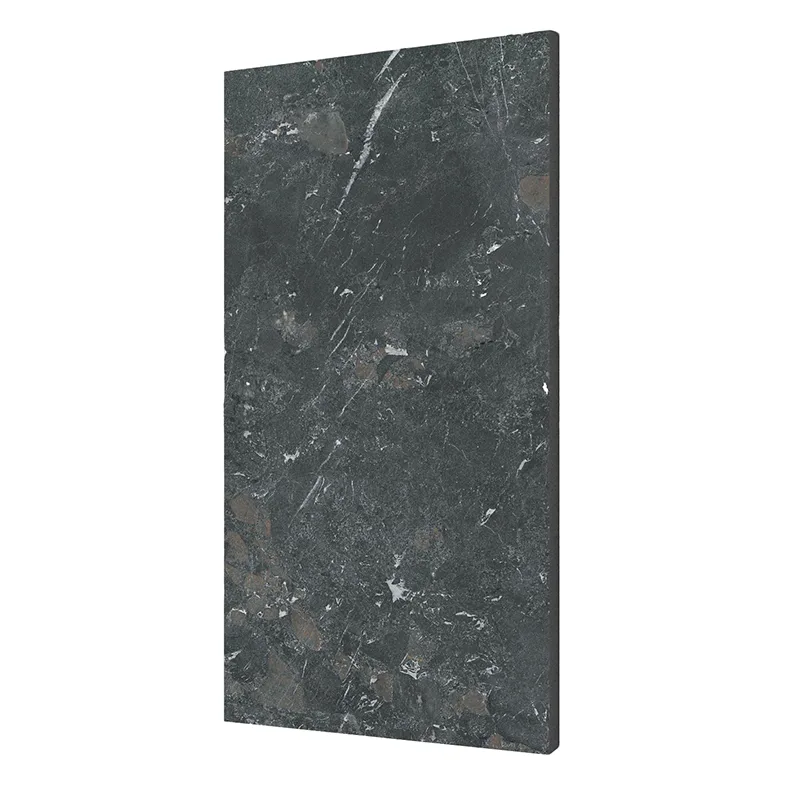
- Is this product intended for exterior floor use? (Not every tile labeled “outdoor” is ideal for every climate.)
- What surface finish is recommended for wet areas?
- What installation method is most common for this tile? (Adhesive on slab vs raised pedestal systems.)
- Do you have matching trims or stair edges?
- How consistent is the batch? Ask about shade variation and recommended ordering quantity to cover waste and future repairs.
- What’s the best grout color for this design? A good supplier will suggest practical pairings, not just trendy ones.
If you want a single place to start, consider working with an established manufacturer like Beata Ceramics Co., Ltd. that offers purpose-built Outdoor Tiles options for different spaces (pool decks, patios, balconies) so you’re not forcing an indoor solution into an outdoor problem.
FAQ
Q: Are Outdoor Tiles really different from indoor floor tiles?
A: Yes. Outdoors adds water exposure, UV, temperature swings, and substrate movement. Tiles intended for exterior use are generally chosen for better weather performance and practical surface grip.
Q: What finish is safest for areas that get wet often?
A: Matte or textured finishes usually perform better than glossy surfaces when wet. For pool surrounds and steps, lean toward more texture and prioritize drainage so water doesn’t sit on the surface.
Q: Why do outdoor tiles crack even when the tile itself is “strong”?
A: The tile is only one part of the system. Cracks often come from an unstable base, trapped water, missing movement joints, or poor leveling that creates stress points.
Q: How do I keep grout from looking dirty?
A: Choose a practical grout color, use exterior-rated grout, and clean regularly before grime builds. In shaded areas, prevent algae with periodic brushing and thorough rinsing.
Q: Can I use Outdoor Tiles on a rooftop terrace?
A: Often yes, but it depends on the waterproofing system and load requirements. Raised pedestal installations can help drainage and maintenance access, but your installer should confirm suitability for your structure.
Q: What’s the most “forgiving” design for real outdoor living?
A: Mid-tone, slightly patterned or stone-look designs tend to hide dust, water marks, and small debris better than pure light or pure dark solid colors.
Q: How much extra tile should I order?
A: Many projects include overage for cuts, breakage, and future repairs. The right amount depends on layout complexity, pattern direction, and the installer’s plan.
Q: What’s the fastest way to ruin an outdoor tile installation?
A: Ignoring drainage. Standing water accelerates staining, algae growth, grout discoloration, and freeze-thaw damage in cold climates.
Final Take
The best Outdoor Tiles solve problems you haven’t had yet: slipping after the first rain, stains after the first cookout, and cracking after the first winter. When you choose the right material and finish, plan drainage, and install with outdoor-ready systems, your space stops feeling “high-maintenance” and starts feeling like a real extension of your home.
If you’re planning a patio, balcony, poolside, or rooftop upgrade and want help selecting the right tile look and performance match, Beata Ceramics Co., Ltd. can provide options and guidance tailored to your outdoor conditions—ready to turn your idea into a surface you’ll enjoy for years. contact us to discuss your project, request product details, and get a practical recommendation for your space.
Related News
- What Makes Full-Body Facade Porcelain Tiles Ideal For Modern Building Exterior Projects?
- How Can Bespoke Tile Fabrication Support Complex Large‑Scale Outdoor Construction Projects?
- How To Specify Eco Pacing Stone For Humid‑Rainy Coastal African Large‑Scale Real‑Estate Projects?
- Why is Sesame-Grey Eco-Paving Stone Widely Adopted For Diverse Outdoor Paving Projects?
- What Makes Travertine-Look Porcelain Tiles Ideal For Large-Scale Commercial Plaza Projects?
- Mass Production Launched for 600*1200*12mm Full-Body Outdoor Tiles
Leave me a message
News Recommendations